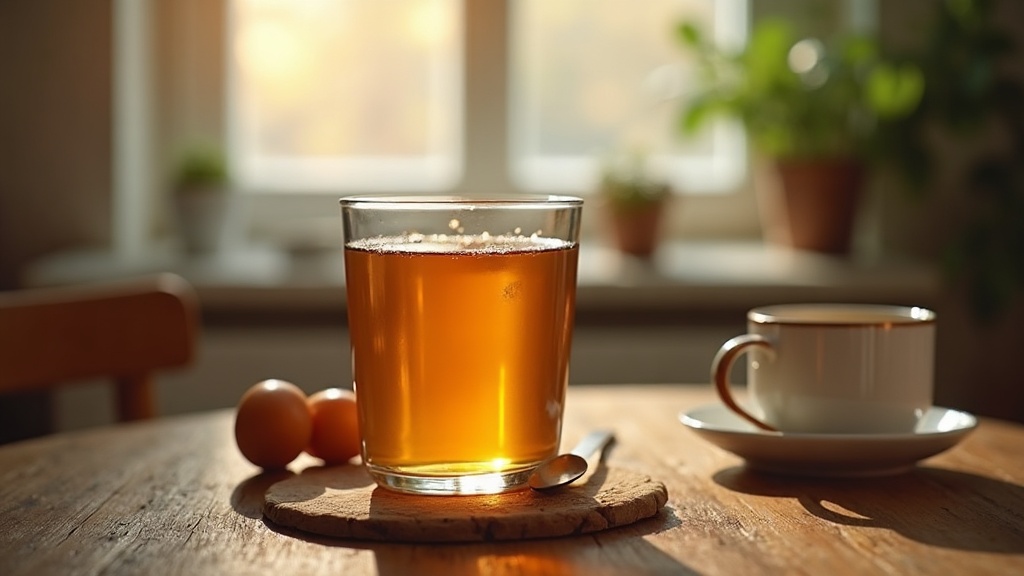
Long before glucose meters and food apps, home cooks reached for a simple Biblical drink (oil)/ Honey blend to finish a dish. This page looks at that old kitchen habit, and at the everyday meal routines people who watch their blood sugar talk about most.
Ask anyone who pays attention to their blood sugar what their hardest hour is, and most won’t say breakfast — they’ll describe a stretch of the afternoon, or the fog of a slow morning. Here are four patterns that come up again and again.
A heavy lunch, a burst of energy, and then a slump that hits right when the afternoon workload is heaviest — a cycle many people describe on repeat.
A full night's sleep doesn't always translate into a rested morning, and the first hour of the day can feel like an uphill climb before anything has even happened.
One article says avoid carbs, another says avoid fat, a relative swears by a home remedy — and the plate ends up more confusing than it needs to be.
Deciding what to eat three times a day, every day, adds up to a quiet kind of fatigue that has less to do with food and more to do with decision-making itself.
A lot of kitchen folklore has built up around carbohydrates, fruit, and so-called ‘diabetic food.’ Here’s a plain-language look at three of the most common ones.
All carbohydrates are the enemy.
Carbohydrates aren’t one single thing — whole grains, legumes, and refined starches behave very differently on the plate. Portion, pairing, and preparation matter more than a blanket rule.
Fruit should be avoided altogether.
Whole fruit comes with fiber and water that juice and dried versions don’t have. Many people find that whole fruit fits into their routine differently than they expected — this is worth discussing with a dietitian or physician who knows your history.
A product labeled ‘diabetic food’ is automatically the better choice.
Packaging language isn’t the same as a nutrition label. Reading the actual ingredient list — and asking a healthcare professional about what fits your own plan — tends to matter more than the word on the front of the box.
None of this is a program or a promise — it’s a look at simple meal-time habits that home cooks have leaned on for generations, before any of it had a name.
Some traditional households served vegetables and protein first, saving bread or starchy sides for last. It’s a small sequencing habit, not a rule, and it’s worth discussing with your care provider if you’re curious how it fits your own routine.
Eating at a slower pace, putting utensils down between bites, and treating a meal as a pause in the day rather than a task to finish — an old habit that modern schedules have mostly pushed aside.
A short, easy walk after a meal was common in many households simply as part of the evening routine, not as exercise. Always check with your doctor before changing your activity level or your treatment routine.
The combination of oil and honey has a long culinary history, showing up in old-world kitchens where both ingredients were prized pantry staples. Honey was used to sweeten bread and preserve fruit; oil was drizzled over cooked vegetables, grains, and flatbreads at the table. Blended together, the two were often kept as a finishing touch — something added at the end of a meal rather than cooked into it, valued for flavor and for how far a small jar could stretch across a household’s cooking. Recipes and habits like this were passed down through families long before nutrition science existed, simply as part of how a kitchen ran.
This is a story about cooking traditions, not a claim about how any ingredient acts in the body. If you have questions about how any food fits your own health needs, that conversation belongs with your doctor or dietitian.
If the same slump shows up most days around the same time, it's worth describing to the professional who follows your care, rather than guessing at the cause on your own.
Ongoing morning tiredness, even with adequate sleep, is a detail your doctor may want to know about at your next visit.
Any shift in how thirsty you feel day to day is worth mentioning to your healthcare provider rather than managing quietly on your own.
Tingling, unusual heartbeat awareness, or other new physical sensations should be brought up with the medical professional who knows your history.
If your energy or appetite feels like it's swinging more than usual, a conversation with your doctor can help make sense of the pattern — this isn't something to self-diagnose from a checklist.
Before adjusting meals, activity, or anything related to a prescribed treatment, it's always best to check with the professional managing your care.
These stories reflect personal routines and opinions, not clinical outcomes. Individual experiences vary, and none of this should be read as a guarantee of any result.
Take a closer look at the history of Biblical drink (oil)/ Honey blend and how simple meal-time habits fit into everyday routines. As always, keep up with your regular medical care and don’t change your diet, routine, or any prescribed treatment without talking to your doctor first.
Advertising Disclosure: This page contains sponsored content and affiliate links. We may receive compensation if you click a link or make a purchase through the links provided on this page. This helps support the operation of this website.
Content Disclaimer: This content is provided for educational and informational purposes only. It has not been evaluated by the FDA and is not intended to diagnose, treat, cure, or prevent any disease. It is not a substitute for professional medical advice, diagnosis, or treatment. Always consult a qualified healthcare professional before changing your diet, routine, or any prescribed treatment.
Results Disclaimer: Individual results vary. Testimonials shared on this page reflect personal opinions and experiences and are not a guarantee of any outcome for any reader.
© 2026 · All Rights Reserved